


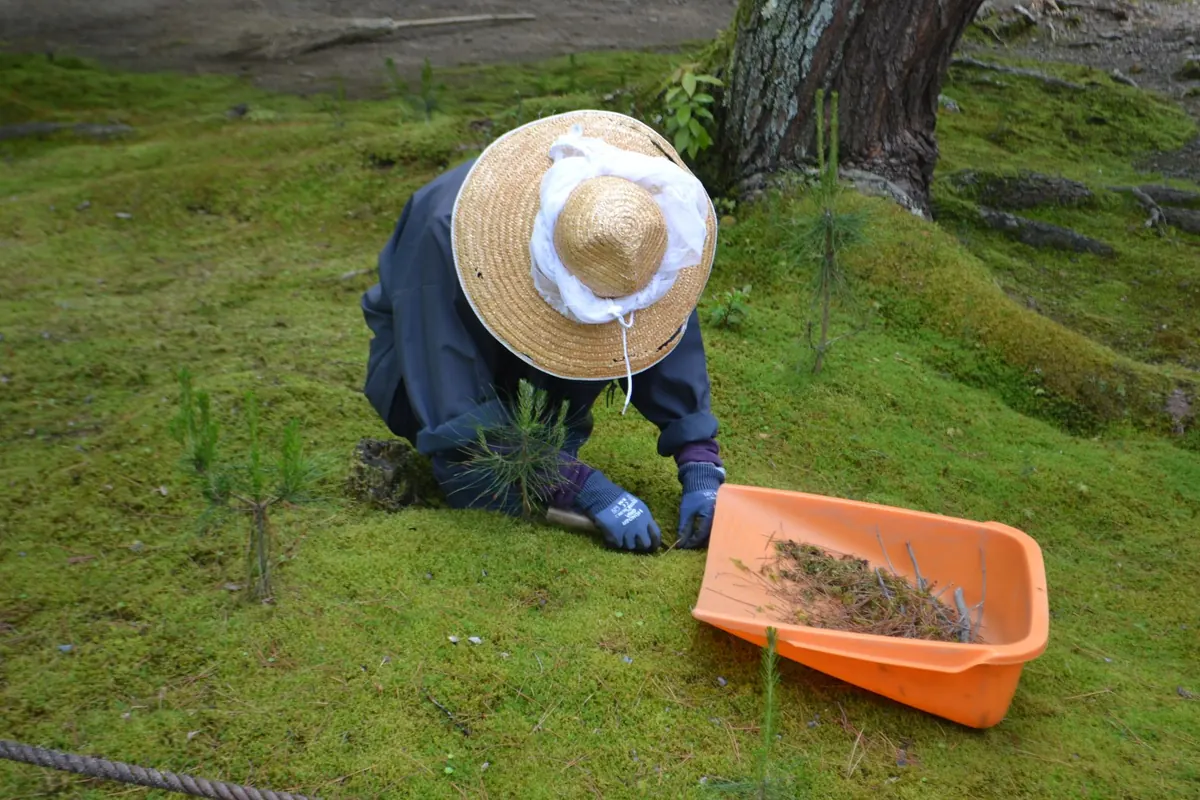
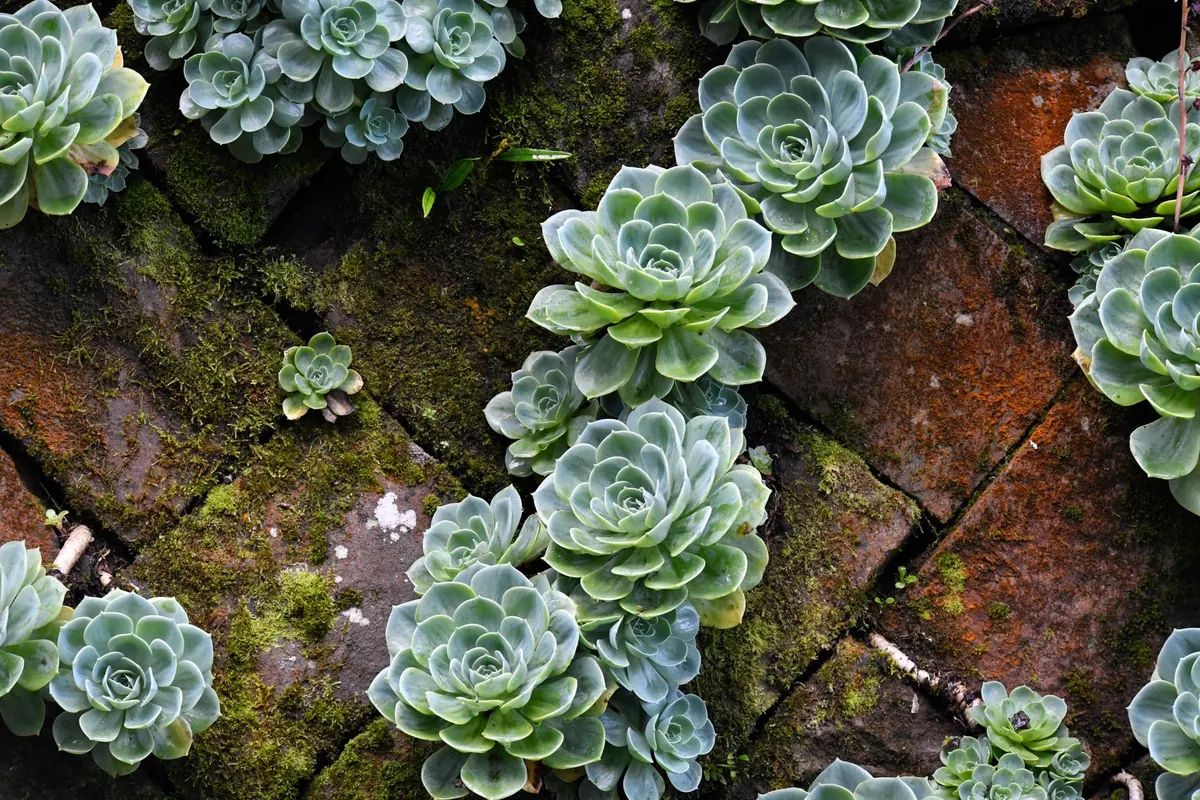
Indoor moss does not follow the calendar the way a garden does. It follows your windowsill, your radiator and the weather outside the glass. In a British home, that means a damp, dim January and a bright, dry June ask for almost opposite things — and a moss that thrived on a north-facing shelf in October can scorch in the same spot by May. The good news is that moss is forgiving within limits. Get the basics roughly right through the year and it will reward you with that dense, velvet texture that makes it worth keeping in the first place.
Winter: low light, dry air, slow growth
From December to February, most indoor mosses sit somewhere between resting and barely ticking over. Short days mean less light, and central heating pulls moisture out of the air faster than most people expect. Reduce your expectations of growth and concentrate on keeping the moss even: not soaked, not brittle.
Light
Move pots to the brightest spot you have that still avoids strong direct sun — an east or north-facing windowsill is usually ideal. If growth stalls completely and the moss looks pale, a small LED desk lamp a foot or so above the container, left on for eight to ten hours, will help. Keep moss off single-glazed sills on freezing nights, where the glass itself gets cold enough to damage the tips.
Watering
Check weekly rather than watering on a fixed schedule. Press a finger into the moss: if it springs back, it is fine; if it feels crisp at the edges, water. Use room-temperature rainwater where you can. Cold water straight from the tap is a shock, and hard tap water leaves a chalky crust over time.
Humidity
Group mosses together, or stand them on a tray of pebbles with water kept below the pot base. Misting feels productive but the benefit is brief in a heated room. A clear plastic cloche or a lidded container holds humidity far better — just lift the lid for an hour or two every few days so air can move.
Spring: the growing months
Once light levels rise in March, moss starts pushing new growth and any problems from winter become obvious. This is the best window of the year for tidying.
- Trim brown or blackened patches with sharp scissors, cutting back to healthy green tissue.
- Lift overgrown clumps, divide them and press them onto fresh substrate.
- Top-dress the surface with a thin layer of finely chopped sphagnum or a peat-free moss-friendly mix.
- Flush the container with rainwater to wash away minerals built up over winter.
Watch for algae — a slick green film on the surface, usually a sign of constant wetness in poor light. Improve airflow and let the top layer dry slightly between waterings. Watering frequency climbs steadily through April and May as days lengthen.
Summer: heat, glare and holidays
June to August is when most indoor moss is lost, and it is almost always down to drying out or overheating rather than anything subtler. A south-facing window in July can be far brighter and hotter than any moss wants. Shift containers to an east or north aspect, or pull them back from the glass.
Sealed terrariums need particular care. Move them away from windows entirely in a heatwave; a lidded jar in full sun can reach temperatures that cook the moss in an afternoon. Aim for a comfortable room temperature, roughly 18–22°C, and check open containers every two or three days.
Going away? A closed container with a little water in the base will hold moss happily for a fortnight. For open displays, group everything in a shallow tray with a centimetre of water and cover loosely with a clear bag, leaving a gap for air.
Autumn: preparing for the dim months
September to November is a reset. Light drops, growth slows, and the moss needs less water than it did in July — often noticeably less by late October. Start easing back on frequency and check before you water rather than after.
This is also the moment to do the jobs you will not want to do in January: clear out dead material, refresh tired substrate, and clean the inside of glass containers. If your moss lives near a radiator, move it now, before the heating comes on and the air turns dry and static.
A month-by-month prompt
- January: check weekly by touch, keep away from cold glass and hot radiators.
- February: add a lamp if growth has stalled; flush with rainwater.
- March: trim, divide and top-dress as growth restarts.
- April: increase watering slightly; watch for algae.
- May: move south-facing containers before the sun strengthens.
- June: check open containers every two to three days.
- July: shade sealed terrariums; never leave them in direct sun.
- August: holidays — group, cover, and leave a little water in a tray.
- September: clear debris and refresh substrate.
- October: begin reducing watering frequency.
- November: relocate moss away from radiators before heating season.
- December: accept slow growth; keep conditions steady, not perfect.
Reading the moss
Moss tells you what is wrong long before it dies, if you know what you are looking at.
- Crisp, brown edges: too dry, or sitting in a draught.
- Black, mushy patches with a sour smell: waterlogged and starved of air. Remove the affected area and improve airflow.
- Pale yellow-green: too much direct light; move it back from the window.
- Grey fuzz on the surface: stagnant damp. Open the container more often.
- White crust: mineral build-up from tap water. Flush thoroughly with rainwater.
Keeping the routine manageable
The trick with seasonal moss care is to make the checks small and regular rather than heroic and rare. Pick one day a week — Sunday morning works for most people — and spend two minutes looking at every container: colour, feel, smell, condensation on the glass. Keep a small jug of rainwater, a spray bottle and a pair of scissors together nearby so nothing is a chore to fetch.
If you take only one thing from this, take the touch test. Moss should feel like a wrung-out sponge: damp, springy, never dripping and never crunchy. Adjust from there, season by season, and your moss will handle the British year far better than any rigid watering timetable will allow.
Photo: Chen Te / Pexels
Related posts
More stories you’ll love reading