
Moss makes a shelf look as though it has always been there. A few clumps in a glass jar, a sheet pressed behind a frame, a tray under a row of small pots — it softens a room faster than almost anything else at the same price. The awkward part is buying it. Moss is not sold like houseplants, and the gap between a good source and a bad one shows up weeks later, when your purchase has either settled in or turned to brown mush.
First, work out which moss you actually need
There is no single product called "moss". The word covers everything from living cushion moss lifted off a wall to dyed reindeer moss, which is not a moss at all but a lichen. Decide what the moss has to do before you shop.
- Live moss — for terrariums, moss walls, moss poles and anything that needs to keep growing.
- Preserved or dried moss — for bowls, wreaths and table displays where nothing needs to survive.
- Sphagnum moss — sold as loose dried strands or compressed bales, used for lining hanging baskets, wrapping moss poles and keeping orchids humid. It is dead when it arrives, but it rehydrates and holds water for weeks.
- Reindeer moss — a lichen, dyed in vivid greens and greys, sold in bags for craft work and decorative bowls. It will never grow, never root, and slowly dries out no matter what you do.
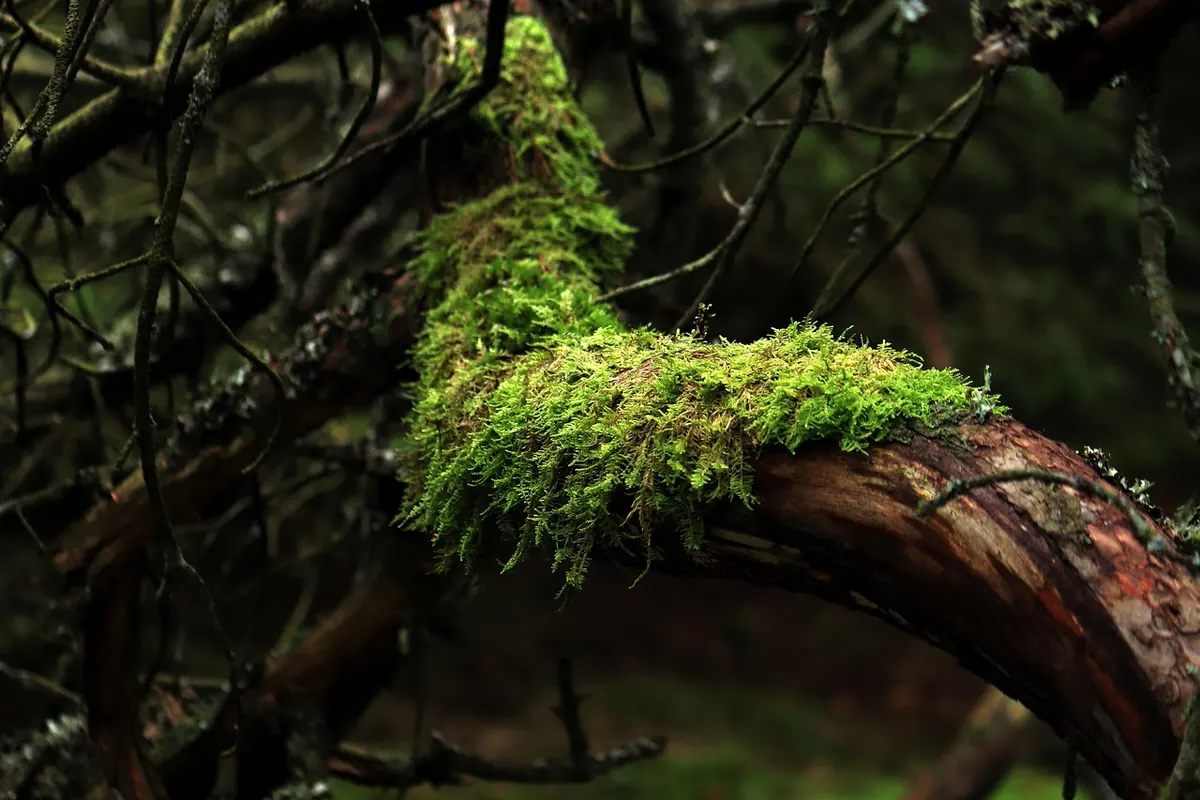
- Sheet and cushion moss — the flat, carpet-like pieces that cover soil in terrariums and clad moss walls. This is what most people picture when they imagine moss.
Getting this wrong is the most common and most expensive mistake. A friend of mine bought two bags of reindeer moss for a closed terrarium, laid it over soil, misted it twice a day for a month and could not understand why it refused to spread. It was never going to. Had she started with a small tub of live cushion moss instead, the same jar would have been green and creeping within three weeks.
One more trap worth naming: peat moss is not the same thing at all. It is partly decomposed sphagnum sold as a soil improver, and if you plant live moss into it you are effectively planting it into compost. If you want something that grows, look for the words "live", "growing" or "fresh" and check that the seller names a species.
Where to buy live moss in the UK
Specialist online suppliers
This is where the best moss usually comes from. Small terrarium and moss-focused shops sell by the tub, tray or "portion", usually with the species named — Hypnum cupressiforme, Leucobryum glaucum, various Polytrichum. Prices typically run from around £5 to £12 for a small tub and £15 to £30 for a larger tray. You are paying for something that was packed this week, not scraped off a pallet last spring.
Look for shops that show photographs of the actual stock rather than a stock image of a forest floor, and that mention how they post it. Live moss should travel damp, in a breathable bag or a lidded tub, and ideally arrive within two or three days.
Garden centres and nurseries
Increasingly common, especially the larger centres with a houseplant or terrarium section. Quality varies enormously. The advantage is that you can see and smell the moss before buying, which rules out most of the disappointments described below. The disadvantage is that trays often sit on a shelf under bright light and central heating for weeks, arriving home already half-dead.
Aquatics shops
If you want moss that will sit in water or a very wet terrarium, aquatics shops are underrated. They sell tropical mosses such as Java moss and Christmas moss by the pot, grown submerged or emersed, and these tolerate constant moisture far better than a woodland species lifted from a dry bank.
Foraging — with a serious caveat
Moss grows everywhere in the UK, and for a small amount for your own garden it is tempting to help yourself. Do not do this casually. Uprooting wild plants without the landowner's permission is an offence, and collecting from a Site of Special Scientific Interest can be a criminal matter. Some species are legally protected. Even where it is permitted, stripping a wall or a fallen log removes habitat that took years to establish. If you want to try it, ask first, take a small amount from an abundant patch, and never from a nature reserve.
Where to buy preserved and dried moss
Preserved moss is a much easier market. Craft shops, florists' suppliers and hobby retailers sell it by the bag, and the supermarket seasonal aisles often stock it in autumn and winter for wreaths and table arrangements. Reindeer moss is the usual product, sometimes blended with preserved sheet moss for covering floristry foam.
Two things are worth knowing. First, dyed moss bleeds — rub a piece with a damp tissue before you use it anywhere near fabric, pale wood or a white wall. Second, preserved moss is often treated with glycerine or dye, so it is not suitable for a terrarium with live animals or reptiles. If that is your plan, buy untreated sphagnum instead.
What to avoid
- Listings with no species and no photograph of the actual product. "Moss, 10g" tells you nothing about what will turn up.
- Suspiciously cheap bulk bags from overseas. A fortnight in transit through customs is enough to kill most live moss, and what arrives is usually brown fibre.
- Moss sold as live that is clearly dyed. Bright, uniform emerald green with no variation is a warning sign, not a bargain.
- Anything that smells sour, of ammonia or of a stagnant pond. Healthy moss smells of damp earth and forest.
- "Moss slurry" or "moss milkshake" kits sold with big promises. Blended moss paste does work, but it can take months to show and rarely matches the marketing photographs.
- Peat-based products marketed as moss. Check the label carefully.
If a seller cannot tell you what species it is, where it was grown and how it was posted, they are not really selling moss. They are selling a bag of green.
How to check a supplier before you buy
- Read the reviews that mention arrival condition, not just the ones about packaging.
- Check whether the shop ships on a Monday or Tuesday so your moss does not sit in a sorting office over the weekend.
- Ask, if there is a contact form, whether the moss is nursery-grown or field-collected. Both can be fine; the answer tells you how much the seller knows.
- Look for a note about pests. Good suppliers mention it because moss genuinely does carry slugs, snails and vine weevil.
- Buy a small amount first. A single tub tells you more than any product description.
What to do when it arrives
Unpack it the day it lands. If it feels dry, soak it briefly in rainwater or filtered water, squeeze it gently and lay it somewhere cool and shaded. Do not put fresh moss straight into strong light or a heated room; give it a week to adjust. Check the underside for creatures and remove them by hand rather than reaching for chemicals.
If it turns brown at the tips, do not panic. Brown tips are normal on collected moss and often mean it is going dormant rather than dying. Keep it consistently damp, keep it out of direct sun, and give it a month before deciding it has failed.
The short version
Buy live moss from a specialist who names the species and posts it quickly. Buy preserved moss from a craft supplier and expect it to be decorative only. Avoid unlabelled bulk listings, dyed moss described as living, and anything that smells wrong. Treat the difference between live and preserved as the whole game — because it is — and the rest of it is just keeping the thing damp.
Related posts
More stories you’ll love reading