


A moss wall earns its place. It quietens a bare stretch of plaster, adds texture where paint felt flat, and makes a small room feel considered rather than empty. But "moss wall" covers two very different products, and picking the wrong one for your space is an expensive way to learn the difference. Preserved moss and living moss look similar in photographs and behave nothing alike.
What follows compares them on the things that actually matter: what you pay upfront, what they ask of you each week, how long they last, and how each one looks after a year.
Two products, one name
Preserved moss is real moss that has been treated so it keeps its appearance without living. The water inside the plant is replaced with a glycerin-based solution, often with dye added for a more even colour, so what arrives is soft, springy and green with no roots, no soil and no growth. It is fixed to panels, boards or frames, then left alone.
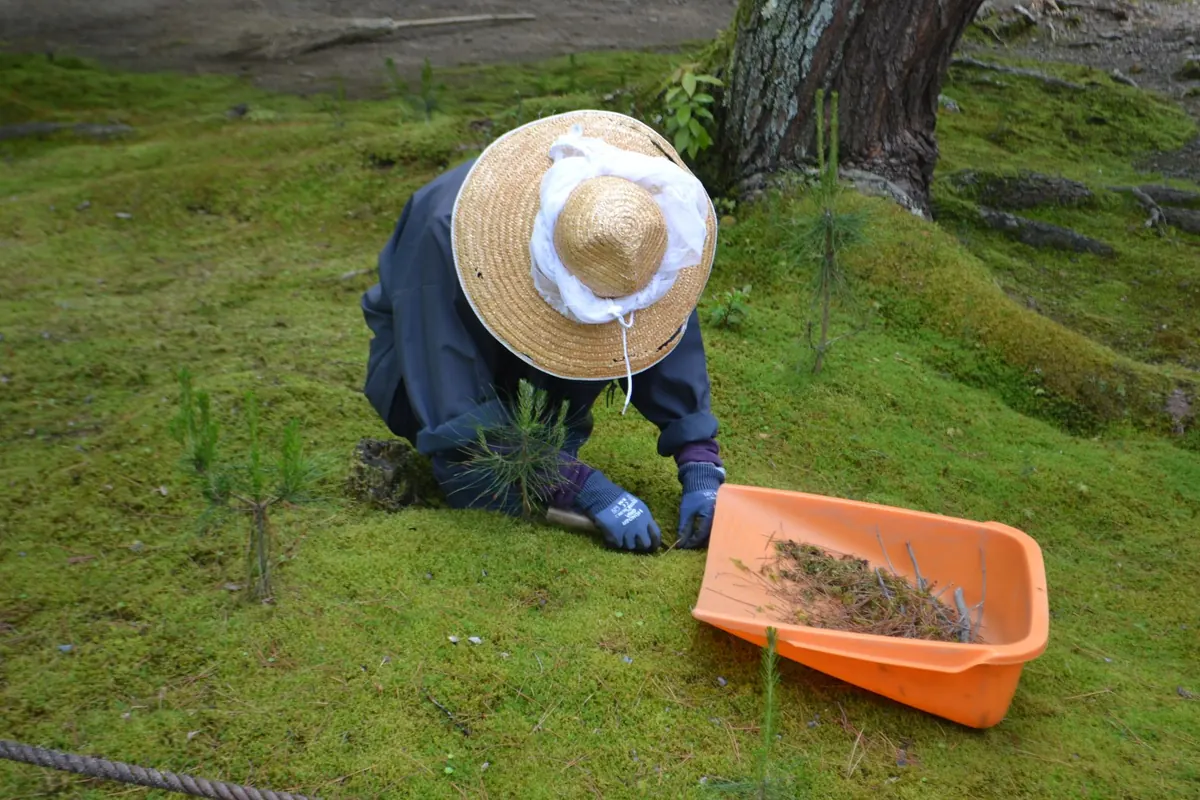
Living moss is exactly that: a growing plant on a substrate. It might sit in a shallow tray, on a felt layer, or in a frame filled with a growing medium. It needs water, air movement and some light to stay healthy, and it changes with the seasons and with your care.
That single distinction drives every difference below, from the invoice to the dusting.
Upfront cost: where your money actually goes
Preserved panels cost more per square metre than a bag of live moss, because of the harvesting, treatment and colour matching involved. The installation, though, is usually simple: fix battens or a backing board, attach the panels, tidy the edges. In a small room that is often a single day's work.
Living walls look cheaper on paper and rarely are. The supporting kit adds up quickly:
- irrigation lines, a timer and a pump, or a lot of your own time with a sprayer
- a waterproof backing and a drainage layer, with somewhere for the runoff to go
- grow lighting if the room is dark, plus ventilation if it is stuffy
- an electrician or plumber if water and power need routing to the wall
As a rough shape: preserved moss is a high material cost with a low setup cost. Living moss is a lower material cost with a much higher infrastructure cost. For a small feature panel of a square metre or so, the two can land surprisingly close together. For a full wall, living moss usually becomes the more expensive project once the plumbing and electrics are counted. Ask for fully installed quotes rather than comparing panel prices, and get more than one. Costs vary widely by region, supplier and ceiling height.
Watering and routine care
The preserved wall's care card
- Never water it. Water is what kills preserved moss: it swells, discolours and eventually grows mould.
- Keep it out of direct sun and away from radiators, which fade and dry the fibres.
- Avoid permanently damp rooms. A bathroom with poor extraction is a risk; a steamy shower room is worse.
- Dust every few weeks with a soft brush, a dry microfibre cloth, or a vacuum on low with a brush attachment.
- Do not spray, wipe with a damp cloth, or use cleaning products on it.
The living wall's care card
- Water little and often. Moss takes moisture through its surface, so a light mist several times a week suits most indoor walls better than an occasional soaking.
- Keep it damp, not sodden. Standing water in the tray or felt is how you get mould and rot.
- Let air move around it. A small fan on a timer can do more for a living wall than extra watering.
- Give it bright, indirect light. Moss does not need much, but it does need some.
- Check monthly and patch. Press a fresh handful of moss into any bare or browned pockets and keep it misted.
The most common failure with either wall is moisture in the wrong place: too much in a preserved panel, too little in a living one.
Lifespan: what to expect
A preserved wall, kept out of harsh light and away from damp, will hold its colour and shape for several years, and some installations look well for longer than that. Its decline is predictable: colours soften, the fibres compress slightly, and edges can lift if the backing moves. Outdoors it fails quickly, so treat it as an interior product.
A living wall does not have a shelf life in the same way. Moss grows slowly and can persist for years, but individual patches will die back and need replacing, and the wall will shift in appearance as species spread and retreat. If your care slips for a fortnight, a living wall can usually recover; a preserved wall that gets soaked often cannot. One has a steady, predictable fade; the other has variable health you actively manage.
Look and feel
Preserved moss is uniform. That is its selling point and, for some people, its weakness. It gives a dense, even, ordered surface in a colour you choose in advance, from natural olive to deep forest green. Photographs of a finished wall in year one look much the same in year three.
Living moss is varied. Different species, different shades, subtle changes after watering, and a surface that gains depth as it grows in. It can look better than any preserved panel, though not on day one: expect a slightly patchy first few weeks while it settles.
Matching the wall to the room
Choose preserved for offices, receptions, bedrooms, hallways, stairwells and rented flats where you cannot run a water supply. It suits anyone who travels, works long hours, or knows they will not keep up a routine.
Choose living where you can water regularly and humidity is manageable: a well-ventilated bathroom, a kitchen wall away from the hob, a conservatory or garden room. It rewards attention and suits anyone who enjoys tending plants.
If you are torn, try the cheapest experiment available: one small panel in the room you have in mind, in the exact spot you are considering. Live with it for a season before commissioning the full wall.
Before you commit
Measure the wall properly, including any sockets, switches and radiators, and note how much natural light and moisture the spot gets across a normal week. Ask the supplier what the warranty covers, whether damaged sections can be replaced individually, and how the panels are fixed to your type of wall.
The panels themselves are usually the easy part. Anything involving irrigation, electrics, waterproofing or fixing into a structural wall is a job for a qualified tradesperson, and in a rented or listed property you will need permission before you start. If you are dealing with existing damp, poor ventilation or a leak, sort that first and take advice from a damp or building specialist — no moss wall survives a problem that has not been fixed behind it.
Buy well, install it once, and either choice will give you a wall worth looking at. The only real mistake is buying the version that suits somebody else's routine.
Photo: Pexels / Pixabay
Related posts
More stories you’ll love reading